Creative Ways to Recycle and Reuse Garden Waste
Posted on 03/12/2025
Gardening is a popular hobby for many people, both young and old. It not only allows us to connect with nature but also provides many benefits such as stress relief and producing fresh and healthy produce. However, gardening also comes with its own set of challenges, one of which is dealing with the waste it generates. From fallen leaves to vegetable scraps, garden waste can quickly add up and become a nuisance. But instead of throwing it in the trash, why not find creative ways to recycle and reuse it? Not only will this help reduce your environmental impact, but it can also save you money and benefit your garden in the long run. Here are some innovative ideas to make the most out of your garden waste.
1. Composting
Composting is a well-known method of recycling garden waste, as well as kitchen scraps and other organic materials. It involves creating a nutrient-rich soil amendment by allowing these materials to decompose naturally. All you need is a compost bin or pile, air, water, and organic matter such as leaves, grass clippings, and vegetable scraps. Composting not only reduces the amount of waste sent to landfills but also creates a sustainable source of fertilizer for your garden.
Tip: To speed up the composting process, shred or chop larger pieces of waste before adding them to your pile.
2. Mulching
Mulching is another effective way to repurpose leaves, grass clippings, and other garden debris. By spreading these materials on top of the soil around plants, they act as a protective layer against weeds, retain moisture in the soil, and provide nutrients as they break down. You can use a mulching mower to shred leaves and grass clippings or manually chop them into smaller pieces for easier application.

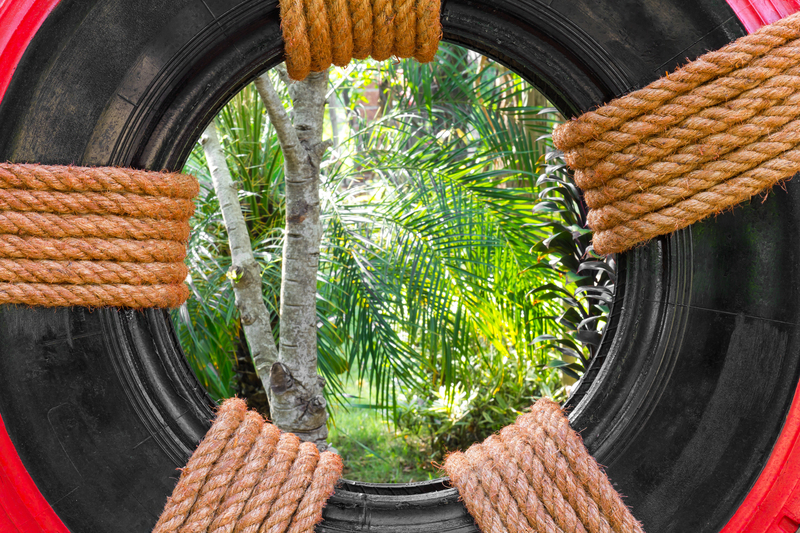
Takeaway: Garden art made from recycled materials adds character to your garden and showcases your creativity while reducing waste.
5. Use it as Mulch for Paths
If you have gravel or stone paths in your garden, placing a layer of mulched leaves on top not only creates an attractive look but also helps prevent weeds from growing through the cracks. This is a quick and easy way to recycle leaves and gives new purpose to them in your garden.
Tip: Keep your paths weed-free by regularly adding more mulch throughout the season.
Pros:
- Reduces waste sent to landfills
- Saves money on fertilizers and mulch
- Improves soil health
- Attracts beneficial wildlife
- Adds unique and artistic elements to your garden
Cons:
- Some methods may require time and effort
- Certain materials may take longer to break down (i.e., branches)
- May attract unwanted pests if not managed properly
In conclusion, gardening waste does not have to be a burden on the environment or your wallet. By utilizing these creative ways to recycle and reuse garden waste, you can turn it into a valuable resource for your garden. From composting and mulching to creating wildlife habitats and garden art, there are endless possibilities to repurpose your garden waste. So next time you are faced with a pile of debris, think outside the box and give new life to your garden waste. Your garden (and the planet) will thank you.Latest Posts
Pros:
- Reduces waste sent to landfills
- Saves money on fertilizers and mulch
- Improves soil health
- Attracts beneficial wildlife
- Adds unique and artistic elements to your garden
Cons:
- Some methods may require time and effort
- Certain materials may take longer to break down (i.e., branches)
- May attract unwanted pests if not managed properly
In conclusion, gardening waste does not have to be a burden on the environment or your wallet. By utilizing these creative ways to recycle and reuse garden waste, you can turn it into a valuable resource for your garden. From composting and mulching to creating wildlife habitats and garden art, there are endless possibilities to repurpose your garden waste. So next time you are faced with a pile of debris, think outside the box and give new life to your garden waste. Your garden (and the planet) will thank you.
Latest Posts
Creative Ways to Recycle and Reuse Garden Waste
Docklands: A Good Place to Call Home?
Popular Docklands Party Locations
Uncover the Hidden Gems of Docklands, London's Suburban Enclave