Blackwall estate bulky waste removal guide for landlords
Posted on 19/06/2026
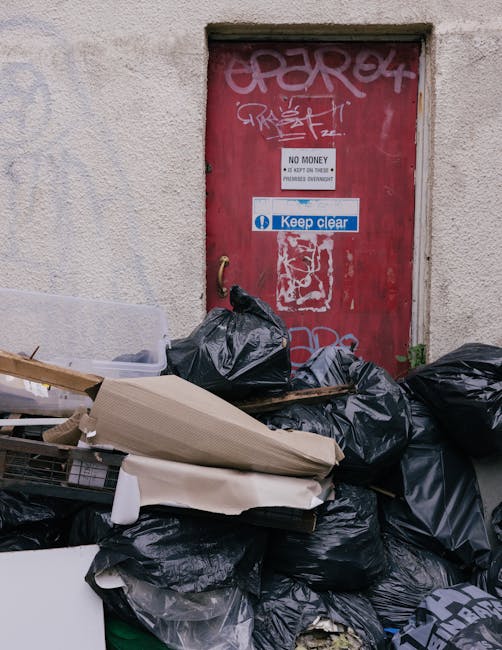
If you manage rentals in Blackwall Estate, you already know how quickly bulky rubbish can build up after a tenancy ends. A sofa left behind, a broken wardrobe in the hallway, an old mattress in the yard, a fridge that somehow became "not mine" overnight - it happens more often than people admit. This Blackwall estate bulky waste removal guide for landlords walks you through the practical side of clearing large items safely, keeping tenants moving, and avoiding the little problems that turn into bigger ones.
The aim here is simple: help you handle bulky waste in a way that is tidy, compliant, and realistic for busy landlords. We'll cover what counts as bulky waste, how removal usually works, where landlords get caught out, and how to choose the right approach for your property. No fluff. Just the useful stuff you can actually use.
Why Blackwall estate bulky waste removal guide for landlords Matters
Bulky waste is not just a housekeeping issue. For landlords, it affects turnaround time, presentation, safety, and sometimes even neighbour relationships. In a busy rental market, a flat that looks half-cleared can feel neglected before the next viewing has even begun. And let's face it, first impressions are doing a lot of heavy lifting.
Blackwall Estate properties often see a mix of tenant changeovers, refurbishment works, replacement furniture, and the occasional end-of-tenancy surprise. Large items are awkward, time-consuming, and not something you want sitting around for days. They can block access, create trip hazards, attract complaints, and make cleaning harder than it needs to be.
There's also the practical landlord angle. If you are arranging an inventory check, repair works, cleaning, repainting, or new furnishings, bulky items can interrupt the whole schedule. One forgotten mattress can delay the lot. That's why this topic matters: it keeps your property moving from one tenancy to the next without unnecessary friction.
For landlords working across Docklands and nearby areas, a structured approach also helps maintain a professional standard across multiple properties. A tidy, well-managed clearance process supports your reputation, saves time, and reduces the chance of disputes with tenants who leave items behind.
How Blackwall estate bulky waste removal guide for landlords Works
In practical terms, bulky waste removal usually means collecting large items that won't go out with ordinary household rubbish. Think sofas, beds, wardrobes, tables, broken appliances, carpets, and awkward mixed items from a tenancy clean-out. Depending on the situation, removal may be handled as part of a one-off collection, a fuller house clearance, or a broader landlord void-property cleanup.
A typical process looks something like this:
- Identify what needs removing. Make a clear list of items, room by room if necessary. It sounds basic, but it saves time later.
- Separate bulky waste from reusable items. Some furniture can be reused or donated if it is still in good condition. Other items are only fit for disposal.
- Check access and parking. In blocks and estate settings, access matters a lot. Lifts, stairwells, loading areas, and entry restrictions can all affect the job.
- Choose the right removal method. That might mean a scheduled collection, a same-day visit, or a more comprehensive clearance through a provider that handles mixed waste streams.
- Arrange the clearance and confirm the load. Clear instructions avoid confusion. Good providers will usually want to know what is being removed, where it is located, and whether any items are especially heavy or awkward.
- Finish with a clean-down. Once the bulky waste is gone, the property is easier to clean, inspect, and re-let.
In practice, the smoothest jobs are the ones where the landlord or agent has already done a little homework. A quick look at the items, a plan for access, and a realistic time window can make a surprisingly big difference. It's the difference between a painless collection and a morning of faffing about, to be honest.
If you are also dealing with furniture, appliances, or general tenancy leftovers, it may help to review related services such as furniture removal in Docklands, white goods and appliance disposal, and house clearance support for larger void-property jobs.
Key Benefits and Practical Advantages
There are plenty of reasons landlords choose a professional bulky waste removal approach rather than trying to cobble everything together themselves. Some are obvious, others less so.
- Faster turnaround between tenancies. The sooner bulky items are gone, the sooner cleaners, decorators, and letting agents can get in.
- Less physical strain. Moving wardrobes, sofas, and appliances is awkward. Even a small mistake can cause damage or injury.
- Better presentation for viewings. Empty, clean rooms photograph better. Simple as that.
- Reduced risk of complaints. Neighbours and managing agents usually prefer clear communal spaces, not overflowing corners or blocked hallways.
- More predictable scheduling. When bulky waste is handled by a clear process, you can plan the rest of the void works with more confidence.
- Better sorting and disposal outcomes. Reusable, recyclable, and disposable items can be separated properly rather than all being lumped together.
There's also a less visible benefit: peace of mind. When the clearance is organised properly, you are not spending your evening wondering whether that damaged sofa is still leaning in the communal entrance. It's gone. Done. One less thing to think about.
If sustainability is part of your letting strategy, it is worth looking at how items are handled after collection. A useful starting point is the recycling and sustainability approach, especially when you want to make choices that are practical and responsible without overcomplicating the process.
Who This Is For and When It Makes Sense
This guide is for landlords, letting agents, property managers, and block managers dealing with bulky waste in Blackwall Estate or nearby Docklands properties. It is especially relevant if you are responsible for voids, end-of-tenancy clearances, refurbishments, or inherited clutter from long-term occupants. You may also find it useful if you rent to sharers, where bulky items can multiply quietly over time. Somehow there are always three extra chairs and a mattress nobody claims.
It makes sense to arrange bulky waste removal when:
- a tenant has left large items behind after moving out
- you are refreshing the property between lets
- old furniture is being replaced before a new tenancy
- appliances have failed and need removal
- communual areas or storage spaces have been used to dump unwanted items
- you are clearing a property after a longer vacancy or a difficult tenancy
Sometimes landlords assume they can wait until the next "big clean" to deal with everything. That can work, but only if the items are not blocking access, causing complaints, or slowing the lettings process. If any of those are happening, it is usually worth dealing with the bulky waste sooner rather than later.
For landlords with broader property investment concerns in the area, this Docklands property guide can help frame how presentation and upkeep affect long-term asset value and tenant appeal.
Step-by-Step Guidance
If you want the shortest route to a clean, workable outcome, follow a simple sequence. The point is not to be fancy. The point is to be organised enough that the job doesn't drag on.
- Walk the property first. Note every bulky item and where it is located. Check cellars, lofts, sheds, balconies, and communal storage too.
- Decide what stays and what goes. Some items may belong to the landlord, some to the tenant, and some may be needed temporarily for works. Avoid assumptions.
- Take photographs. A quick set of photos is useful for records, disputes, and estimating the scale of the job.
- Separate special items. White goods, electricals, and furniture often need different handling. Mixed loads can still be managed, but it helps to know what is involved.
- Check access constraints. Are there narrow stairs, no lift, timed parking, or permit issues? Mention these early. It saves the awkward conversation on arrival.
- Book the removal. Choose a time that fits around cleaning, repairs, and inspections. If possible, leave a small buffer before the next viewing.
- Confirm what happens after collection. Ask how items will be sorted, whether reusable pieces are separated, and what documentation you'll receive if needed.
- Inspect once it's done. Make a final walk-through so you can spot anything missed before the cleaners or decorators arrive.
A small but useful habit: keep a basic void-property checklist for every tenancy end. Nothing dramatic, just a repeatable process. You'll thank yourself later when the third flat in a row has the same mystery chair and half-broken desk.
Expert Tips for Better Results
After enough landlord clearances, a few patterns become obvious. The jobs that go smoothly are not necessarily the simplest - they are the ones where the details were handled early.
- Group items by size and difficulty. A single mattress is one thing; a mattress plus a heavy wardrobe plus a fridge is another.
- Clear hallways before the collection window. It speeds things up and reduces the chance of scuffs.
- Use a quick inventory note. If the tenant has left furniture behind, record it before removal. It can help if there is a deposit or dispute issue later.
- Think in phases. Sometimes it is smarter to remove bulky waste first, then bring in cleaners, then decorators. That order can save time.
- Plan around building rules. In estate settings, timing and access rules matter. A bit of coordination goes a long way.
- Keep an eye on mixed waste. Don't let general rubbish, scrap, and bulky items all pile into one confused heap. That is where mistakes happen.
One practical note from real-world property management: tenants are more likely to cooperate when communication is clear and calm. A short message explaining what needs to be cleared, by when, and why is usually more effective than a stern wall of text. A miracle? No. But it helps.
If you need a broader view of what a provider can handle, the services overview is a sensible place to understand the range of collection and clearance options available.
Common Mistakes to Avoid
A lot of avoidable frustration comes from the same few mistakes. They are easy to make, especially when you are juggling tenants, contractors, and move-out deadlines all at once.
- Leaving bulky waste until the last minute. That's the big one. It compresses the schedule and makes everything feel more chaotic.
- Assuming every item belongs to the tenant. Always check what is part of the property and what has been abandoned.
- Ignoring access issues. Lifts out of service, tight stairwells, or parking restrictions can change the whole job.
- Mixing reusable items with damaged waste. Once things are mixed, it becomes harder to divert usable pieces.
- Not checking provider credentials. This matters. More on that in the compliance section.
- Forgetting communal areas. A hallway stack is still a problem, even if it is technically "outside the flat".
Another common slip: booking removal before you have a final list. Then a second round of items appears from a cupboard, the balcony, or under the bed. It happens. But it is better to catch it early than pay for an extra visit if you can avoid it.
Tools, Resources and Recommendations
You do not need an elaborate toolkit, but a few simple resources make the process much easier.
- A room-by-room inventory sheet. Useful for recording abandoned items and tracking what has been removed.
- Camera or phone photos. Before, during, and after pictures help with documentation.
- Basic tape measure. Handy if you need to work out whether a bulky item will fit through a doorway or lift.
- Labels or sticky notes. Mark items to keep, remove, donate, or inspect later.
- Landlord file notes. Keep records of clearances, especially for recurring voids or tenant-end issues.
When comparing providers or planning your own process, look at the broader property context too. If a flat is being refreshed for sale or a new tenant, it can be helpful to think about timing alongside valuation and presentation. For that wider perspective, this Docklands homes guide offers a useful local angle.
For a clearer understanding of charging structures and what is usually included, pricing and quote information is worth reviewing before you commit to a clearance plan. It helps avoid that awkward moment where the job is more expensive than the quick estimate suggested. Nobody likes that surprise.
Law, Compliance, Standards, or Best Practice
For landlords, bulky waste removal is not just about tidiness. It also sits within a broader duty of care around waste handling and property management. You don't need to become a waste law specialist, but you do need to be careful about who handles the waste, how it is moved, and whether it is passed to a properly authorised carrier.
In the UK, landlords should take sensible steps to ensure any waste removal is handled by a legitimate, insured, and compliant operator. If you are outsourcing the work, check that the provider understands their responsibilities and can demonstrate proper waste carrier compliance. If you are unsure what that means in practice, our waste carrier licence and compliance guidance is a helpful reference point.
It is also good practice to keep a record of what was removed, when, and by whom. That does not have to be complicated. A simple note in the property file is often enough. But it can be useful if you ever need to show reasonable steps were taken, especially in relation to abandoned items or disputed belongings.
Safety matters too. Heavy lifting, sharps, damaged furniture, and electricals can all cause problems if handled casually. Using a provider with appropriate insurance and safety procedures is sensible, especially in communal blocks where shared access areas need extra care. If you want to sense-check that side of things, have a look at insurance and safety standards.
And because responsible disposal matters beyond the immediate job, some landlords prefer to work with providers who think about reuse and recycling where possible. That is a practical best practice, not a grand gesture. The point is to avoid needless waste where an item still has a second life.
Options, Methods, or Comparison Table
Not every bulky waste job needs the same method. A quick comparison helps when you are deciding what suits the property, the deadline, and the condition of the items.
| Method | Best for | Advantages | Limitations |
|---|---|---|---|
| One-off bulky item collection | A few large items after a tenancy | Quick, simple, usually low-disruption | Less suitable for full clearances |
| Full house clearance | Void properties, inherited contents, major turnarounds | Comprehensive, efficient for lots of items | More planning needed |
| Phased removal | Refurbishments or staged works | Fits around cleaners and contractors | Can take longer overall |
| Furniture-focused collection | Sofas, wardrobes, beds, tables | Good for end-of-tenancy leftovers | May not cover mixed waste |
| Appliance-focused removal | Fridges, washing machines, cookers | Handy for replacing white goods | Requires care and proper handling |
As a rule of thumb, if you have more than a couple of awkward items, it is usually better to think beyond a single-item solution. It saves time, and the whole job feels less fragmented.
Case Study or Real-World Example
Here's a very typical landlord scenario, the sort that comes up quietly on a Tuesday morning.
A two-bedroom flat in Blackwall Estate becomes vacant after a long tenancy. The outgoing occupants leave a sofa, a mattress, a broken office chair, a wardrobe in pieces, and an old washing machine. On top of that, there are a few bags of mixed junk in the kitchen and a couple of items stored on the balcony. Nothing dramatic, but enough to hold everything up.
The landlord does a quick walk-through, photographs the rooms, and separates what might still be reusable from what clearly needs removing. Because the building has access limits and a narrow lift, the clearance is booked for a time when the communal area is quiet. The bulky waste is removed first, then the cleaners come in, then a decorator does a quick refresh. It's all very ordinary, really - but that ordinariness is the point. No delays, no drama, no awkward complaints from neighbours about a sofa blocking the corridor.
The difference is not just that the flat gets cleared. The difference is that the whole void period is shorter, the property presents better, and the next viewing can happen without the stale smell of old furniture hanging about. Anyone who has opened a flat after a rushed move-out knows that smell. Not pleasant.
Practical Checklist
Use this checklist before booking bulky waste removal for a Blackwall Estate property.
- Walk the property and list every bulky item
- Check communal areas, cupboards, balconies, and storage spaces
- Confirm which items are landlord property and which are abandoned
- Take clear photos for records
- Separate reusable items from damaged waste where possible
- Note heavy, fragile, or awkward items
- Check access routes, parking, and lift availability
- Schedule the removal around cleaning and repairs
- Keep a note of the removal date and items collected
- Inspect the property after the clearance is finished
If you want a quick way to think about it: clear list, clear access, clear timing. That trio solves more problems than people expect.
Get a free quote today and see how much you can save.
Conclusion
For landlords, bulky waste removal is one of those jobs that looks small from a distance and messy up close. In Blackwall Estate, where timing, access, and presentation all matter, a straightforward plan can save a lot of hassle. The property gets turned around faster, the space feels looked after, and you avoid leaving the next stage of works at the mercy of leftover furniture and forgotten appliances.
The best approach is usually the simplest one: assess the items, document what is there, choose a sensible removal method, and make sure the work is handled properly. Once you have a repeatable process, the job becomes much less stressful. Not glamorous, perhaps. But effective. And that's what counts.
When the flat is clear, you can feel the difference straight away. There is space, light, and a proper sense that the place is ready again. That's a good feeling, truth be told.